- About Us
- Faculties
- Programs
- Campus
- Admission
- ORIC
- Research
- QEC
- Sports
- Activities
- Contact Us
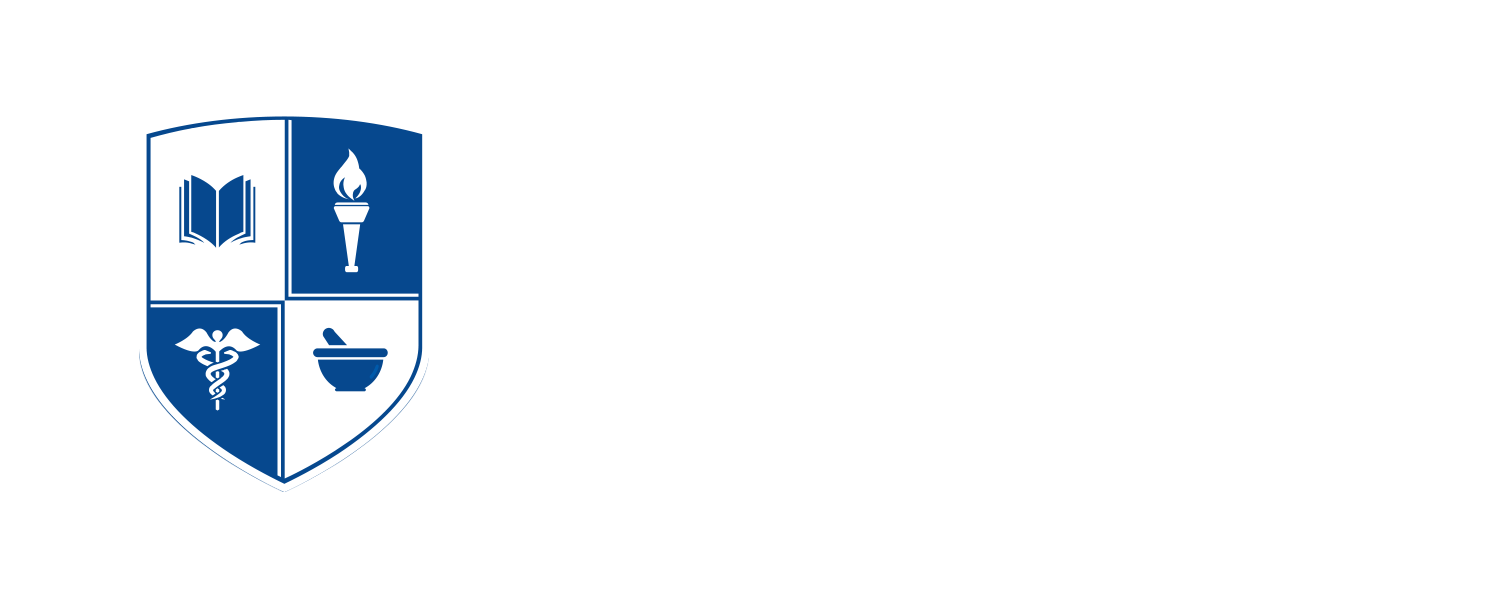
Bachelor of Science in Economics is a 4-year accredited program, offered under the tutelage of the Department of Social Sciences. Specialty courses in Economics will be taught in conjunction with sequels of Mathematics, Political Science, Statistics and Econometrics courses. The degree is ideal for candidates interested in working in leadership roles within government and private agencies as Economists, Faculty, Bankers, Public Relations officers, Analysts, etc., or in demanding roles within multilateral institutions i.e., the World Bank and the United Nations. Optional specializations in Economics will provide the requisite knowledge to successfully pursue advanced degrees in disciplines such as Economics, Political Economy, Development Studies and related fields
*Note: This outline may be revised by the department if required.
Graduates of the program will make meaningful contributions as Policy Analysts, Advisors to Multinational and government agencies, and researchers in development projects, including roles within Multilateral Aid & Financial institutions i.e., the World Bank, United Nations, and the Asian Development Bank. Multilateral agencies will tremendously benefit from our graduates’ research skills & knowledge of local socio-economic challenges and cultural sensitivities, so that future economic policies are sympathetic to the requirements of the locals, while meeting the agencies’ objectives of improving the quality of life in our region. This program is also base to pursue further post-graduate and post-doctoral research degrees in the field of economics particularly and social sciences generally.
The IHSR is a research organization with a vibrant progressive, pro-people vision.
Research conducted covers different disciplines independently as well as in a multidisciplinary manner. It deviates from traditional modes of historiography and views history from below, encompassing the common people, their sociopolitical contribution, ethos and values, and creative pursuits, as the major determinants of historical evolution.
The Institute preserves sources of peoples’ history, retrieves relevant historical documents and conducts original research,dealing with the ways of life, thinking and movements reflecting the concerns of people at a given point of time in the past. The Institute disseminates its historical research in the form of books, monographs, seminars and conferences. Preservation and publication of the political literature of Pakistan is of special interest.
In the domain of social research, the Institute focuses on contemporary socio-political issues of the country, with the common people as the central point of reference.
Bachelor of Science in Economics is a 4-year accredited program, offered under the tutelage of the Department of Social Sciences. Specialty courses in Economics will be taught in conjunction with sequels of Mathematics, Political Science, Statistics and Econometrics courses. The degree is ideal for candidates interested in working in leadership roles within government and private agencies as Economists, Faculty, Bankers, Public Relations officers, Analysts, etc., or in demanding roles within multilateral institutions i.e., the World Bank and the United Nations. Optional specializations in Economics will provide the requisite knowledge to successfully pursue advanced degrees in disciplines such as Economics, Political Economy, Development Studies and related fields
*Note: This outline may be revised by the department if required.
Graduates of the program will make meaningful contributions as Policy Analysts, Advisors to Multinational and government agencies, and researchers in development projects, including roles within Multilateral Aid & Financial institutions i.e., the World Bank, United Nations, and the Asian Development Bank. Multilateral agencies will tremendously benefit from our graduates’ research skills & knowledge of local socio-economic challenges and cultural sensitivities, so that future economic policies are sympathetic to the requirements of the locals, while meeting the agencies’ objectives of improving the quality of life in our region. This program is also base to pursue further post-graduate and post-doctoral research degrees in the field of economics particularly and social sciences generally.
The IHSR is a research organization with a vibrant progressive, pro-people vision.
Research conducted covers different disciplines independently as well as in a multidisciplinary manner. It deviates from traditional modes of historiography and views history from below, encompassing the common people, their sociopolitical contribution, ethos and values, and creative pursuits, as the major determinants of historical evolution.
The Institute preserves sources of peoples’ history, retrieves relevant historical documents and conducts original research,dealing with the ways of life, thinking and movements reflecting the concerns of people at a given point of time in the past. The Institute disseminates its historical research in the form of books, monographs, seminars and conferences. Preservation and publication of the political literature of Pakistan is of special interest.
In the domain of social research, the Institute focuses on contemporary socio-political issues of the country, with the common people as the central point of reference.